India vs Netherlands, 36th Match, Group A
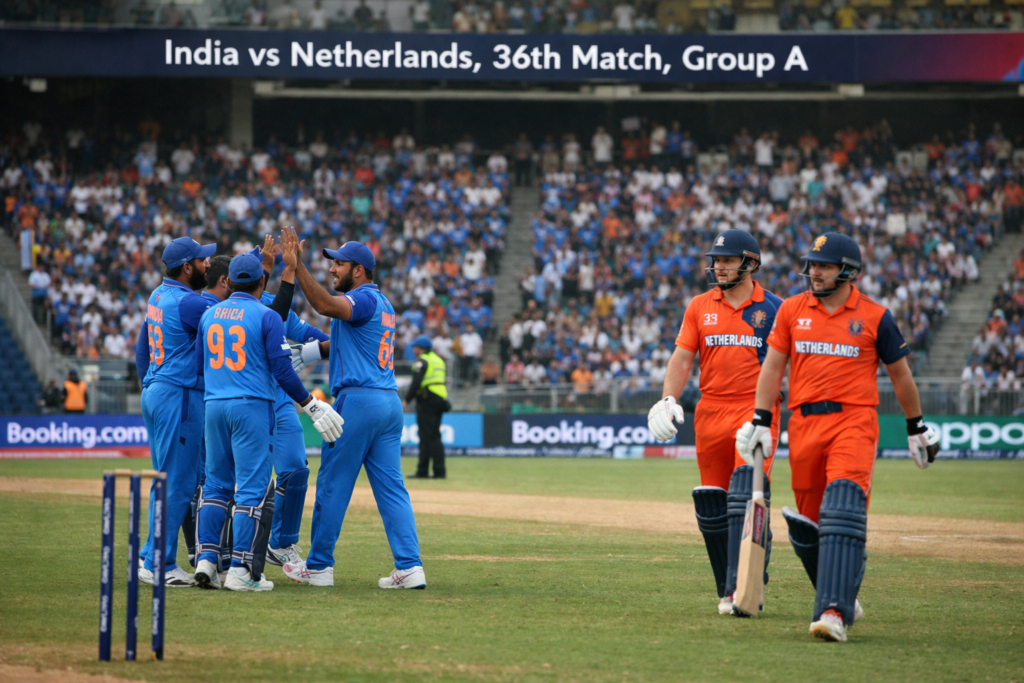
When cricket’s established powerhouse meets an ambitious associate nation on the global stage, the contest becomes more than just a fixture — it becomes a statement. The 36th Match, Group A clash between India national cricket team and Netherlands national cricket team offered exactly that dynamic: pedigree versus persistence, depth versus discipline.
This encounter wasn’t simply about two points in the group table. It was about momentum, confidence, and defining identity in a high-stakes tournament setting.
Tournament Context and Group A Scenario
By the time this match arrived, Group A had already begun to take shape. Online Cricket ID Whatsapp Number India, traditionally one of the strongest white-ball sides in world cricket, entered the game with expectations of dominance. Their squad depth, experience in pressure matches, and balanced playing XI made them favorites on paper.
The Netherlands, on the other hand, carried the spirit of a team determined to prove that associate nations can compete with top-tier sides. Having qualified through intense pathways and global tournaments, they stepped into this clash with belief rather than fear.
For India, the objective was clear: consolidate their position near the top of the group. For the Netherlands, the mission was bigger — challenge the hierarchy.
India’s Strategic Blueprint
India’s approach in major ICC-style tournaments has often been built on three pillars:
- Top-order stability
- Middle-order acceleration
- Versatile bowling attack
In this match, India focused heavily on setting a strong platform in the powerplay. The top order aimed to rotate strike early and then capitalize once settled. Strike rotation was key against the Netherlands’ disciplined line-and-length bowling.
The middle overs were crucial. India avoided reckless aggression, instead targeting specific bowlers and phases. This calculated method reflects a modern ODI strategy — build gradually, explode late.
With the ball, India relied on variation. Seamers tested the Dutch batters with hard lengths early, while spinners controlled the middle overs, slowing scoring opportunities and forcing mistakes.
Netherlands’ Game Plan: Structured Resistance
Facing a team of India’s caliber requires clarity. The Netherlands entered the match with a well-defined structure:
- Tight new-ball spells
- Strong fielding intensity
- Batting partnerships rather than individual heroics
Their bowlers emphasized discipline over flair. Instead of searching for miracle deliveries, they targeted consistency. On subcontinental-style surfaces, this approach can create pressure.
In batting, the Netherlands aimed to avoid collapse. Against elite bowling attacks, partnerships matter more than boundaries. Their batters focused on playing straight, minimizing risky cross-batted shots early in the innings.
Key Phases That Defined the Match
Powerplay Battle
The first 10 overs often dictate momentum. India’s controlled aggression gave them an early advantage, but the Netherlands ensured it wasn’t a runaway start. Tight field placements and patient bowling limited boundary flow.
Middle Overs Chess Match
This was perhaps the most tactical phase. India’s spinners tightened the screws, while the Dutch batters tried to maneuver singles and twos. Dot-ball pressure created breakthroughs at crucial moments.
Death Overs Acceleration
India’s finishing strength once again became evident in the final overs. Strategic hitting and calculated risk-taking pushed the total beyond what looked possible midway through the innings.
Statistical Insights
While individual player stats may vary, the broader team patterns were visible:
- India maintained a run rate above the tournament average.
- The Netherlands improved their dot-ball percentage compared to previous matches.
- India’s bowling economy in the middle overs remained one of the strongest in Group A.
These numbers reinforce why India consistently performs well in major tournaments — adaptability and composure under pressure.
Tactical Discipline vs Natural Flair
One of the most fascinating aspects of this match was stylistic contrast.
India played with controlled flair — elegant stroke-making combined with strategic restraint. Their batters paced the innings with awareness of match situation and opposition strengths.
The Netherlands displayed tactical discipline. They celebrated small wins — a maiden over, a key wicket, a tight spell. These incremental gains reflect the mindset of a team building its global identity.
Fielding Standards and Intensity
Modern cricket is as much about fielding as batting and bowling. India showcased athleticism in the outfield, cutting off boundaries and converting half-chances into wickets.
The Netherlands matched that intensity. Sharp throws, agile stops, and alert positioning ensured the contest remained competitive longer than many expected.
Fielding, often overlooked, played a silent but critical role in shaping the scoreboard pressure.
Mental Strength Under Spotlight
Matches like India vs Netherlands test different types of mental resilience.
For India, the challenge was maintaining focus against a lower-ranked opponent. Upsets in world tournaments are reminders that complacency can be costly.
For the Netherlands, belief was essential. Competing in front of global audiences against cricketing giants can be intimidating. Yet their composure demonstrated how associate nations are steadily narrowing the gap.
What This Match Meant for Group A
From a tournament perspective, this clash reinforced India’s position as one of the strongest contenders in Group A. Net run rate, confidence, and squad rotation options all benefited.
For the Netherlands, the match provided experience against elite bowling speeds, spin variations, and high-pressure scenarios. Even in defeat, such games accelerate growth.
Group-stage encounters often shape knockout trajectories. Every over, every run, and every tactical call contributes to long-term tournament momentum.
Broader Narrative: Growth of Global Cricket
India vs Netherlands also symbolized cricket’s expanding global reach.
India represents tradition, commercial strength, and deep talent pools. The Netherlands represents ambition, grassroots development, and the growing competitive depth of associate cricket.
The increasing competitiveness of such fixtures signals a healthy future for the sport. Emerging teams are no longer mere participants — they are strategic competitors.
Final Reflection
The 36th Match, Group A between India and the Netherlands was more than a routine fixture. It highlighted contrasting strengths — India’s experience and finishing power versus the Netherlands’ structured resilience and tactical clarity.
While the result aligned with expectations, the contest demonstrated how modern cricket is evolving. Discipline, data analysis, and mental toughness now matter as much as raw talent. For More Info – Online Betting ID Whatsapp Number
For fans, it was a reminder that every match carries its own narrative. For teams, it was another chapter in the pursuit of excellence on the world stage.
As Group A moved forward, this encounter stood as a testament to both dominance and determination — the hallmark of global tournament cricket.